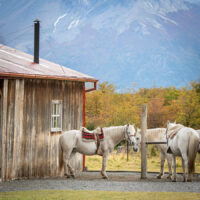
In Part 1, The Landscape, Patagonia could easily be mistaken for a barren landscape at times. Jagged, alpine peaks. Glaciers. Windswept grasslands. Yet, at this end of the world, with many areas still untouched (or touched and now being conserved) by humans, wildlife flourishes.
Some of these species may seem familiar, while others are only found here. Each species adding color, motion, and sound to the landscape, which at first may seem still and void. As you stay longer and go deeper, you really feel as if you’re in the one of the last wild places on earth.
All photos from April 2025.
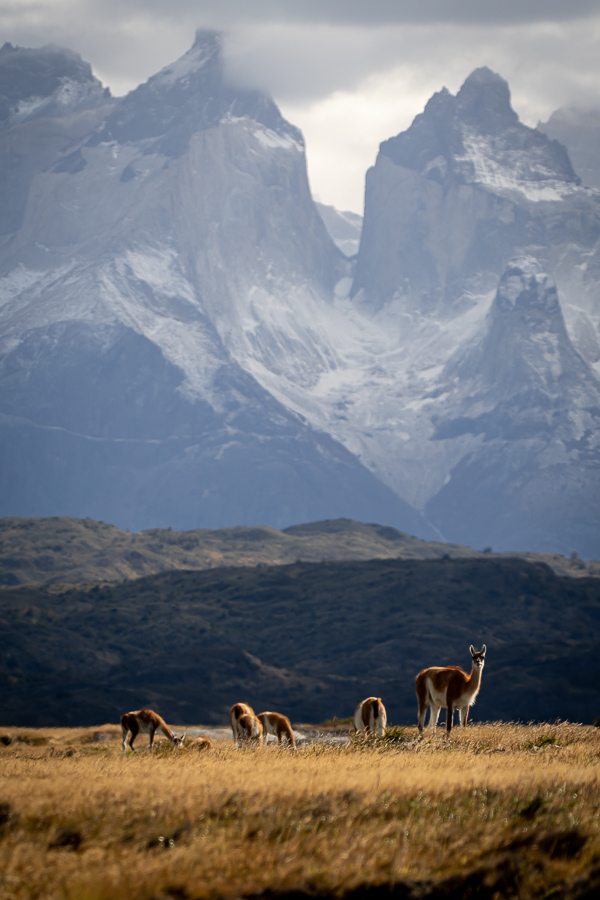
Perhaps there is no more iconic of an animal associated with Patagonia than the Guanaco. A member of the camelid family, they are the ancestor to llamas (llamas are only domesticated – there are no wild llamas).
These semi-awkward animals (my opinion) are the first big animal you’ll likely come across in the park. They reminded me of the elk in Rocky Mountain National Park – exciting to see at first, then, somewhat quickly, just become a part of the backdrop as they appear everywhere.
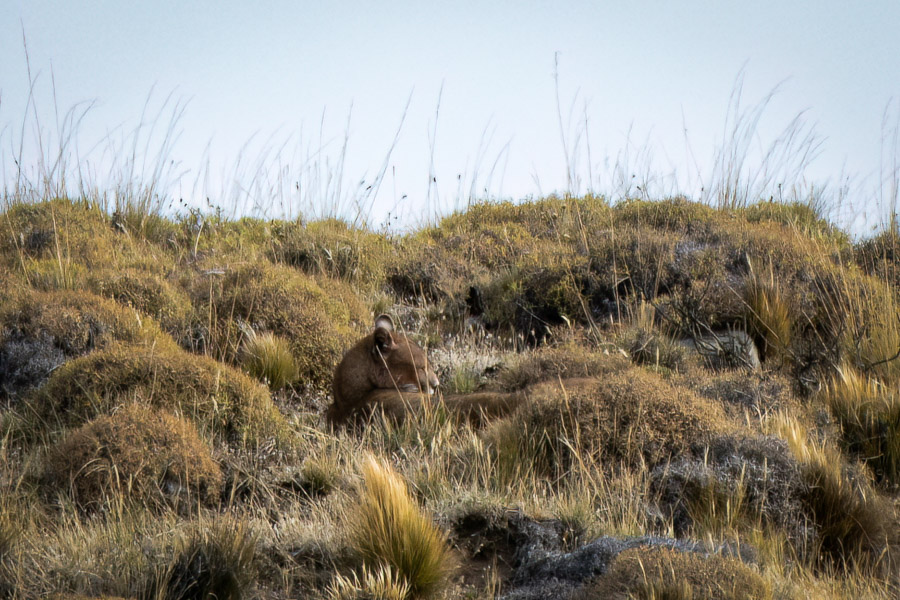
Or wait, maybe there is no more of an iconic animal associated with Patagonia than the puma.
Where there are guanacos there are pumas, though we never saw the two meet. In fact, despite their numbers, we only saw this one. Referred to sometimes as the “ghost of the Andes” pumas are elusive and blend effortlessly into the landscape. It’s not out of the question that more pumas saw us than we saw of them.
To see one, or many, you really need to hire a guide, just as you would for whale watching or finding polar bears in the wild. That wasn’t the focus of this trip, but after having glimpsed one, it may become the focus of the next.
I almost didn’t share this photo as it’s not the greatest quality, but it was my best shot of the one puma we saw (at a great distance, shrouded in grass).
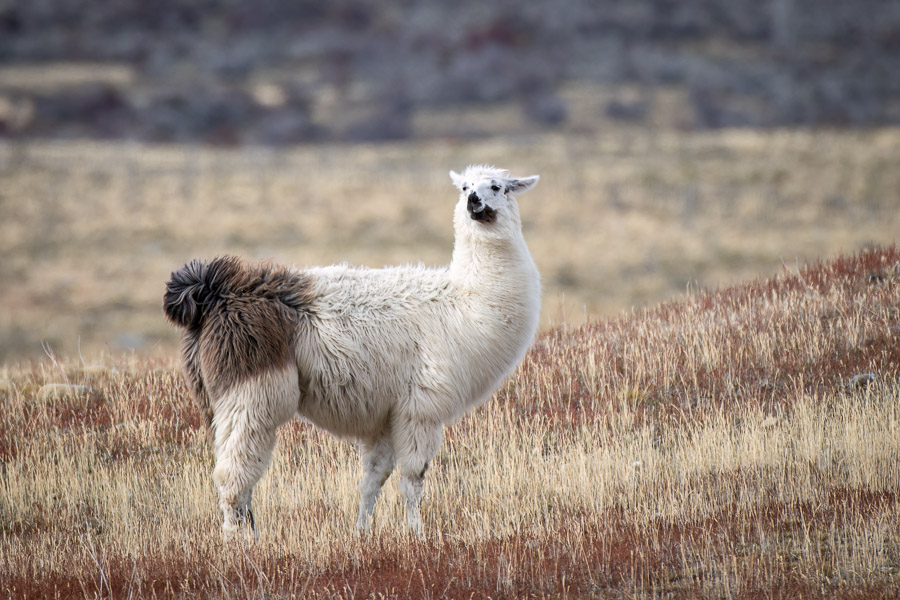
Or wait, maybe… ok, I’ll stop.
An alpaca, which, like llamas, isn’t actually wild. But they’re still cool to see. Alpacas are the domesticated descendants of vicuñas, which are native to South America.

Culpeo (red fox). I think.* A brief glimpse of a fox. Luckily, the fox was uninterested in us as it was likely focused on its next meal (also, luckily not us). As quickly as we saw it, it darted across the boulders and up through the trees and out of sight.
* Maybe it’s a grey fox.I’m usually pretty good at this, but I keep going back and forth based on looks, location, behavior, etc. If you know for sure what it is, please let me know!
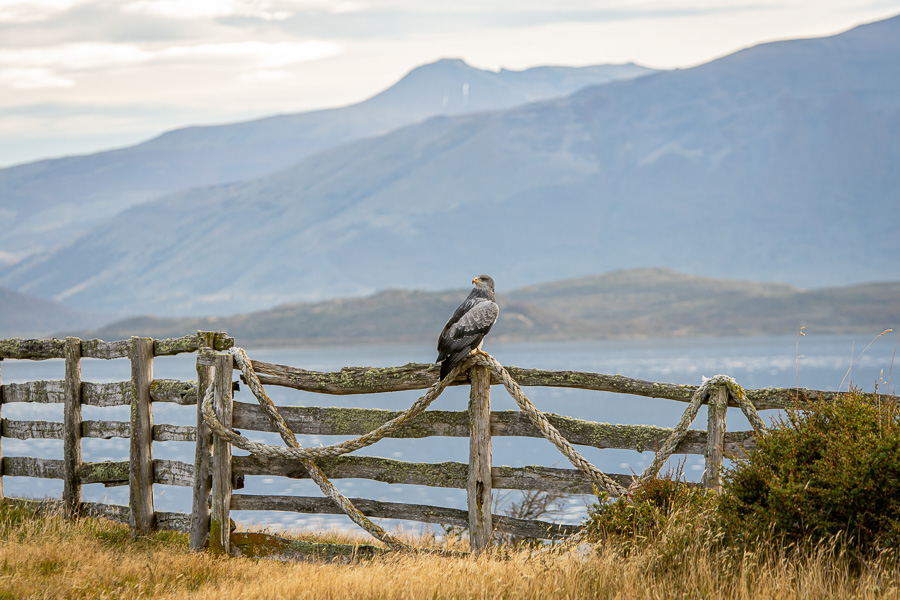
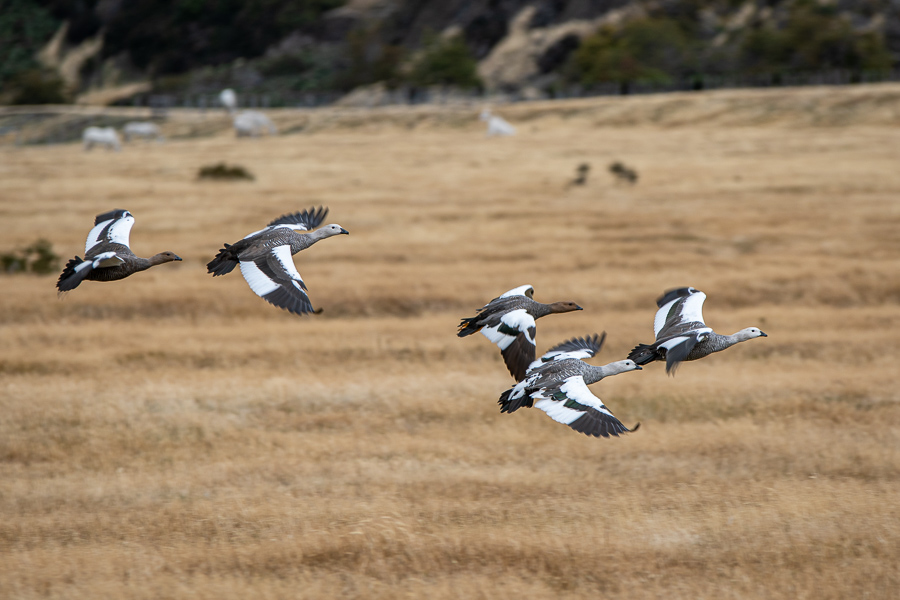
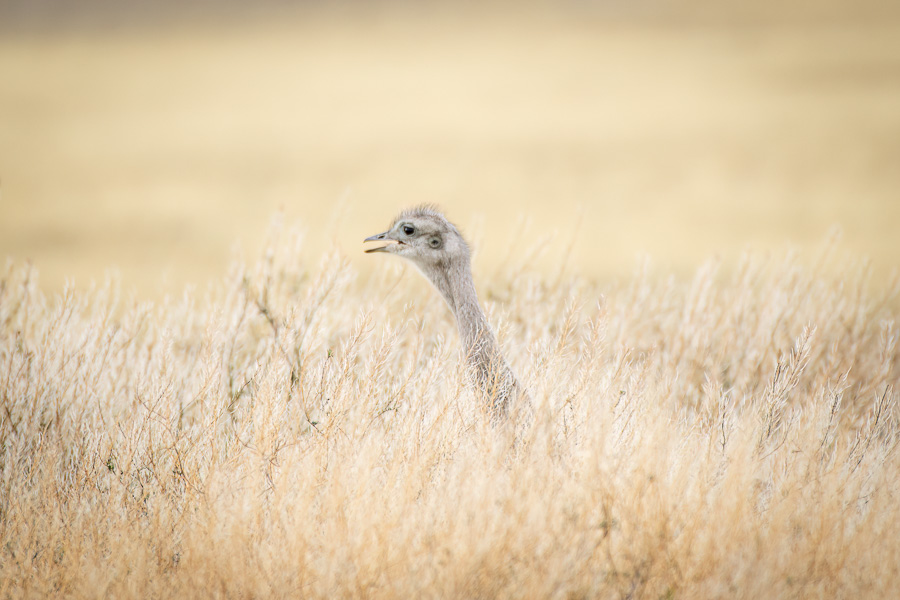
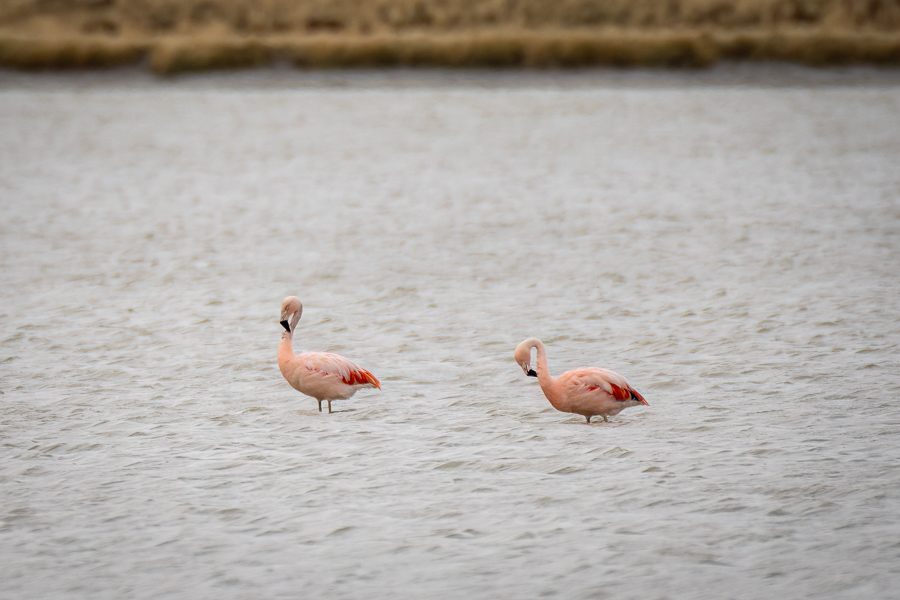
And then there were the birds. So many birds. Their numbers, colors, and flight (well, most of them fly) add such life to the land.
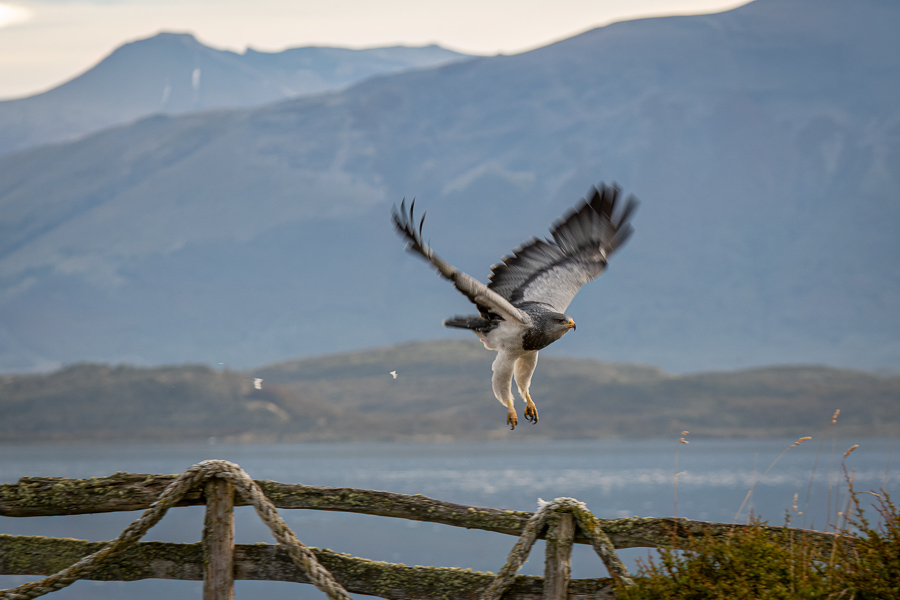
Being at near eye level with an eagle taking flight was a real treat. In North America, I haven’t experienced many eagles (maybe any) resting at ground level.

Sign up for my newsletter and never miss a post. Learn more and sign up here.